
Staying Ahead of the Unexpected: Why Planning Today Safeguards Tomorrow
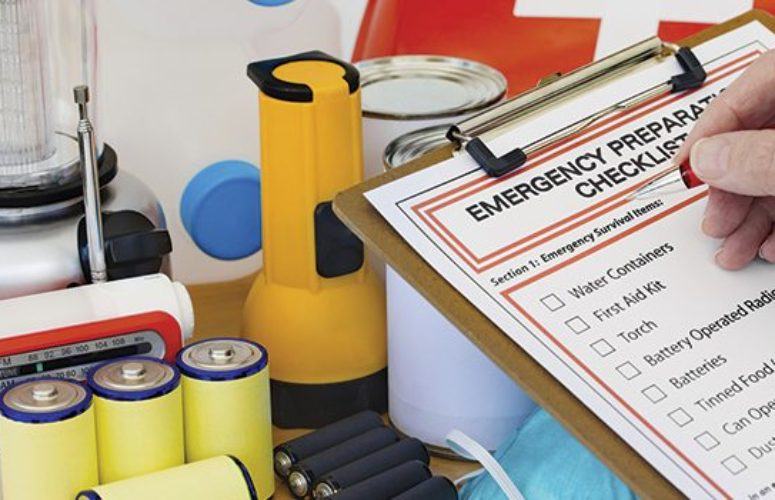
Disasters don’t send a warning. Whether it’s a power outage, cyberattack, flood, or pandemic-related disruption, the businesses that come out stronger are the ones that planned ahead. Developing an effective emergency preparedness plan isn’t just a precaution—it’s a business essential. This type of planning creates structure in moments of chaos, providing teams with the clarity and confidence to respond quickly, protect assets, and maintain operations when everything feels uncertain. Check out HCI Environmental for more information.
Emergency preparedness starts by understanding what specific risks a business might face. Each organization has its own vulnerabilities based on its location, industry, infrastructure, and even its team structure. That’s why a one-size-fits-all template won’t cut it. A truly effective plan is tailored—designed to account for how your business functions day to day and how it could be disrupted. This includes identifying critical functions, communication systems, key personnel, and suppliers that the company depends on to keep running.
The most overlooked part of planning is communication. When the unexpected happens, people look for direction. A good plan outlines not just what to do, but who does what and how information is shared—internally and externally. Whether it’s updating customers, coordinating with emergency responders, or ensuring employees know where to go and how to stay safe, clear communication prevents confusion and helps protect your brand’s reputation in a crisis. It also builds trust within your team, knowing that leadership is ready to guide them through the storm.
Technology plays a big role too. Backup systems, secure cloud storage, and real-time notification tools all need to be considered as part of a comprehensive plan. These tools give businesses the ability to recover faster, protect sensitive data, and maintain some level of continuity during disruptions. Testing and revising the plan regularly ensures that it stays relevant and responsive to evolving risks and technological advancements.
An emergency preparedness plan isn’t just a file in a drawer—it’s a living, breathing part of business strategy. It affects decisions about hiring, infrastructure, and operations. It also reflects a company’s commitment to its people and clients. When a business demonstrates that it’s ready to face the unknown, it builds resilience not just physically, but culturally. Employees feel more secure, stakeholders feel more confident, and recovery becomes a smoother, more predictable process.
Ultimately, emergencies will happen. But when a business has taken the time to think ahead, practice responses, and align teams under a common protocol, those emergencies don’t have to lead to chaos or collapse. With the right plan, they become challenges to navigate—not disasters to survive.
